FIRST® challenges students annually to design robots that compete in a gamified version of common robotics tasks (picking up and placing objects, navigating terrain, launching projectiles) to earn points in tournaments. In 2024, I founded my own team to explore novel designs and more research-based projects.
Our design process focused on following robust reasoning by directly tying the design of mechanisms to a specific goal.
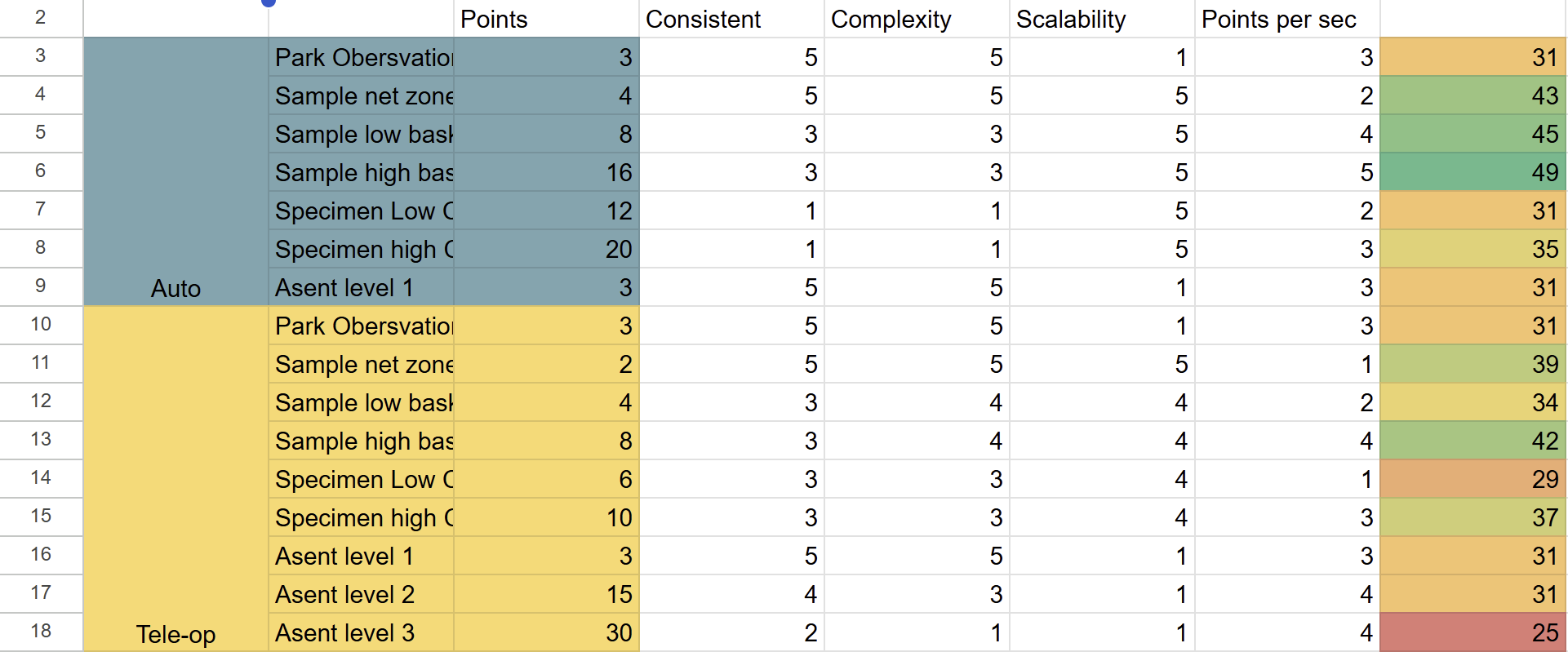
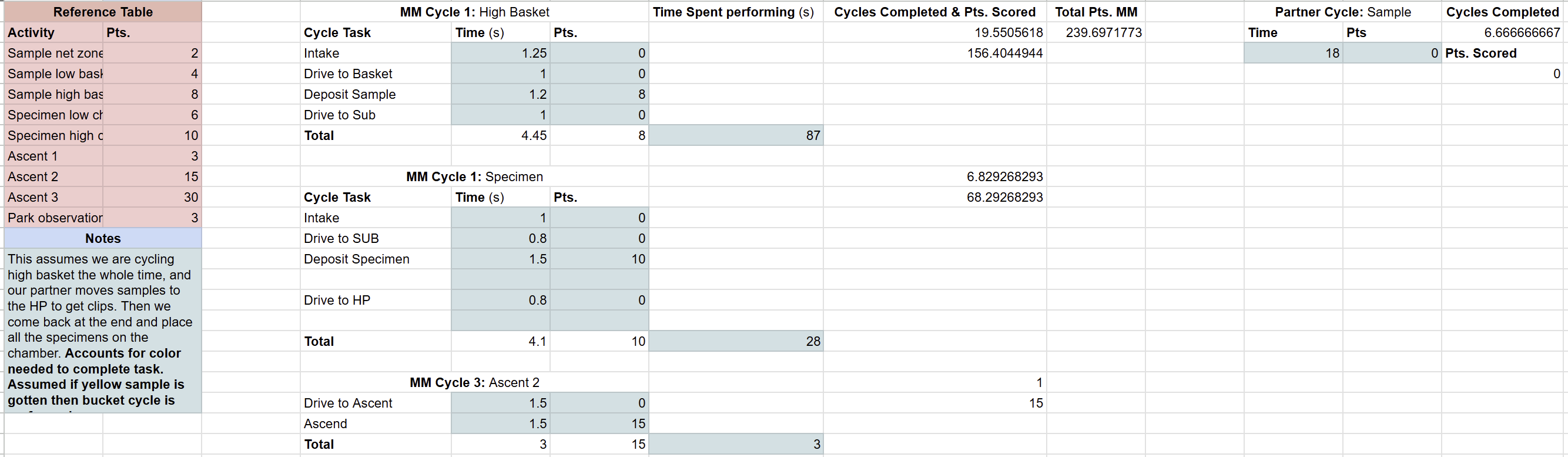
In order to create specific and measurable goals, a weighted objective table was used to determine a strategy. Using those results I designed a spreadsheet simulator that broke tasks into sub-second intervals used as concrete mechanism requirements.
| Metric | Goal | Result |
|---|---|---|
| Max Velocity | 5.65 ft/s | 6.75 ft/s |
| Footprint | ~12 x 12 in | 12.6 x 11.7 in |
| Robot Weight | < 22.0 lbs | 21.5 lbs |
Concept: Replacing premade gearboxes with custom single stage reductions. Result: 3 inch robot width reduction and 1.7 lbs weight reduction.
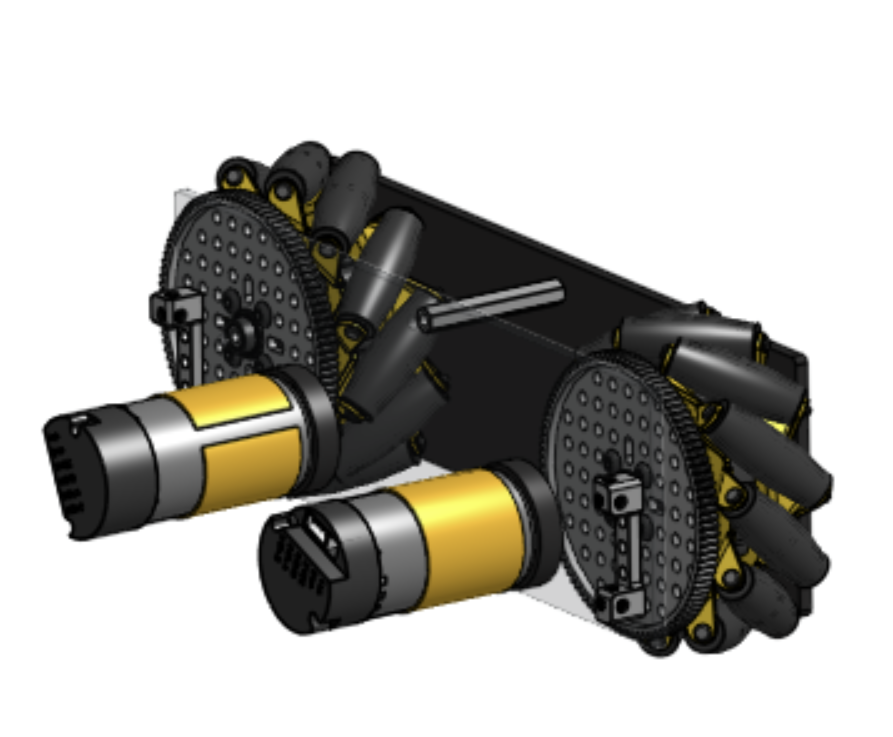
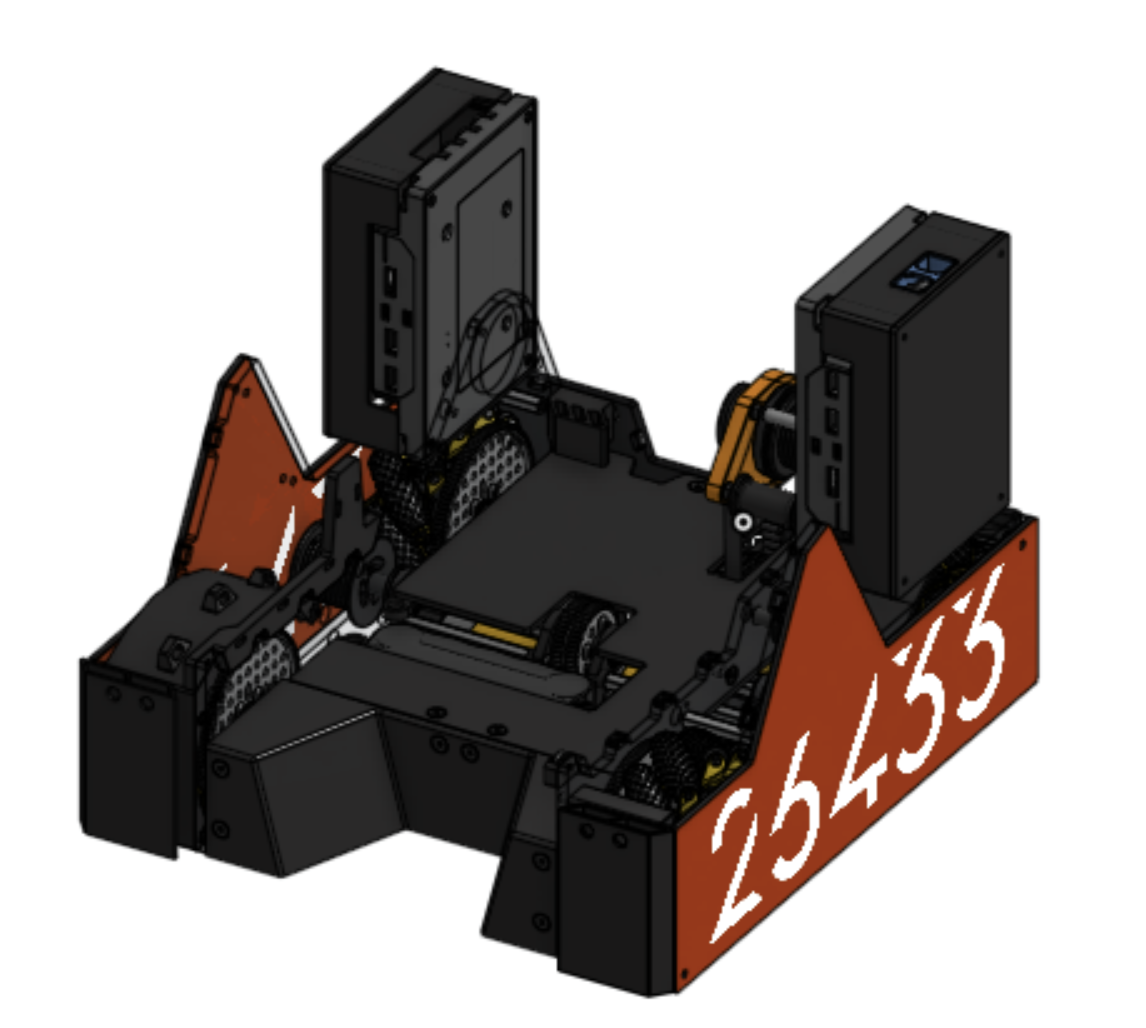
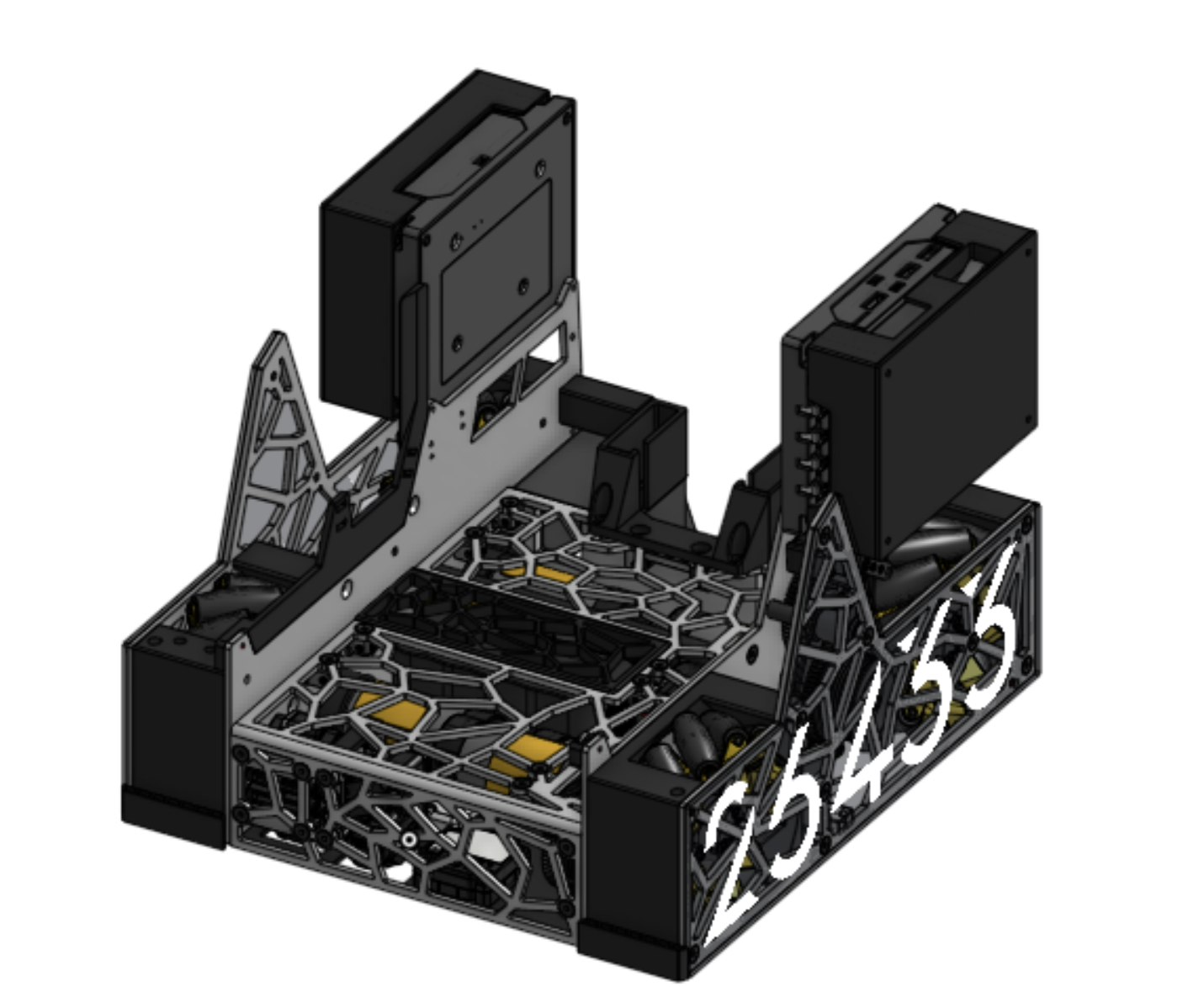
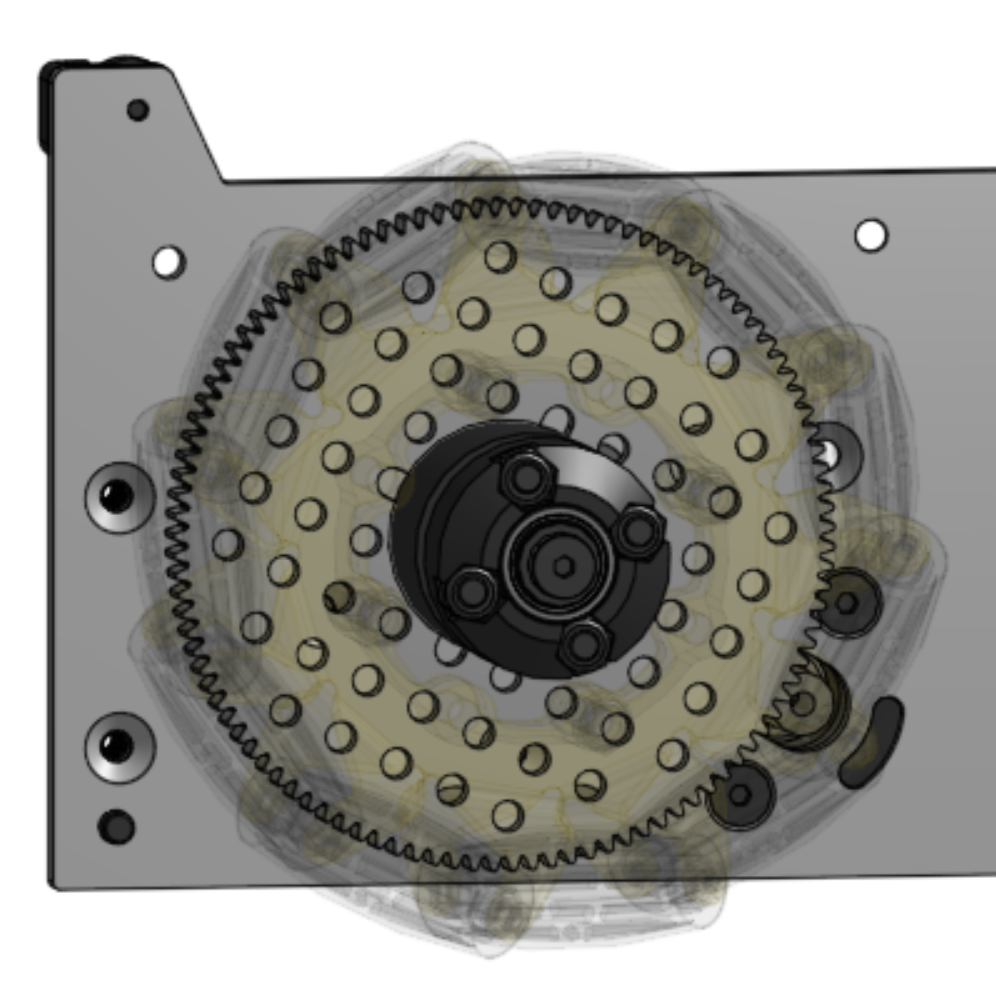
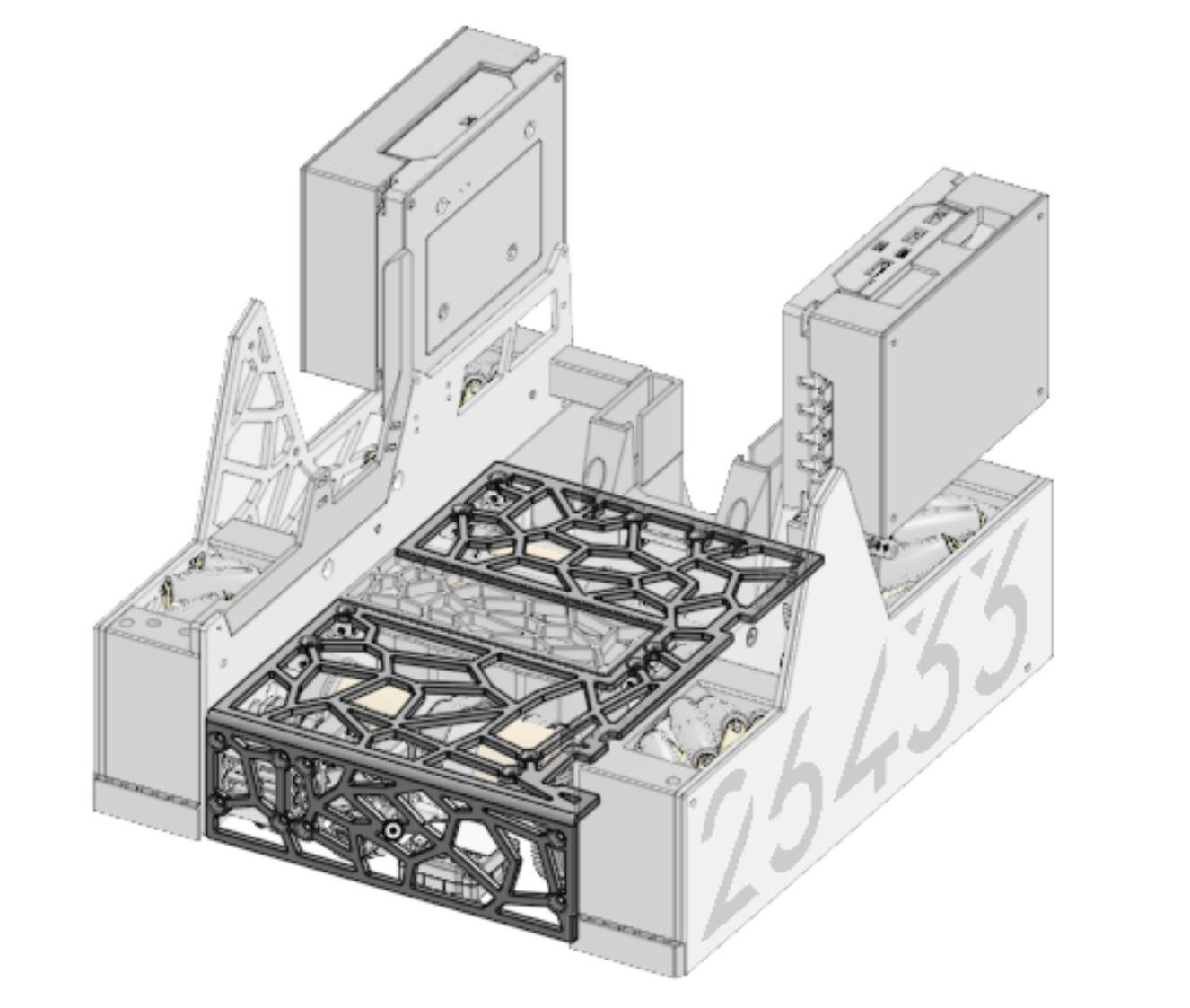
Left to right: V0.0.3 Test, V1.0.0 Chassis, V2.1.1 Chassis + Closeup
To maximize rigidity while minimizing part count and weight, a single bent sheet metal plate was used as the central chassis structure. This also enabled easy maintenance of electronics.
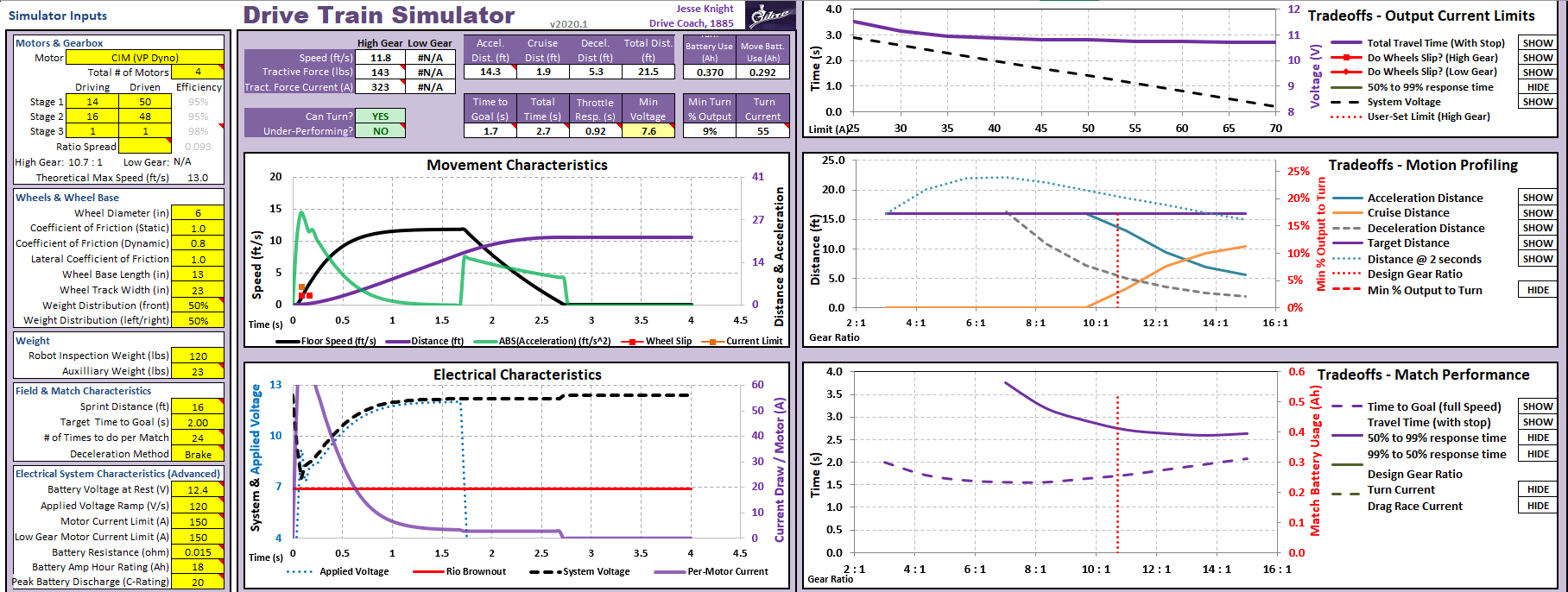
To maximize performance without exceeding the maximum battery discharge rate, simulation tools were used to determine drivetrain ratios and estimate current draw for every mechanism. Additional testing of the drivetrain system was used to predict final robot current draw.
| Metric | Goal | Result |
|---|---|---|
| Total Weight | 300g | 290g |
| Actuation Time | 500ms | 350ms |
Using FFF printing for the arm allowed the creation of a unique geometry with many complex overhangs and integrated gears, saving weight and reducing complexity.
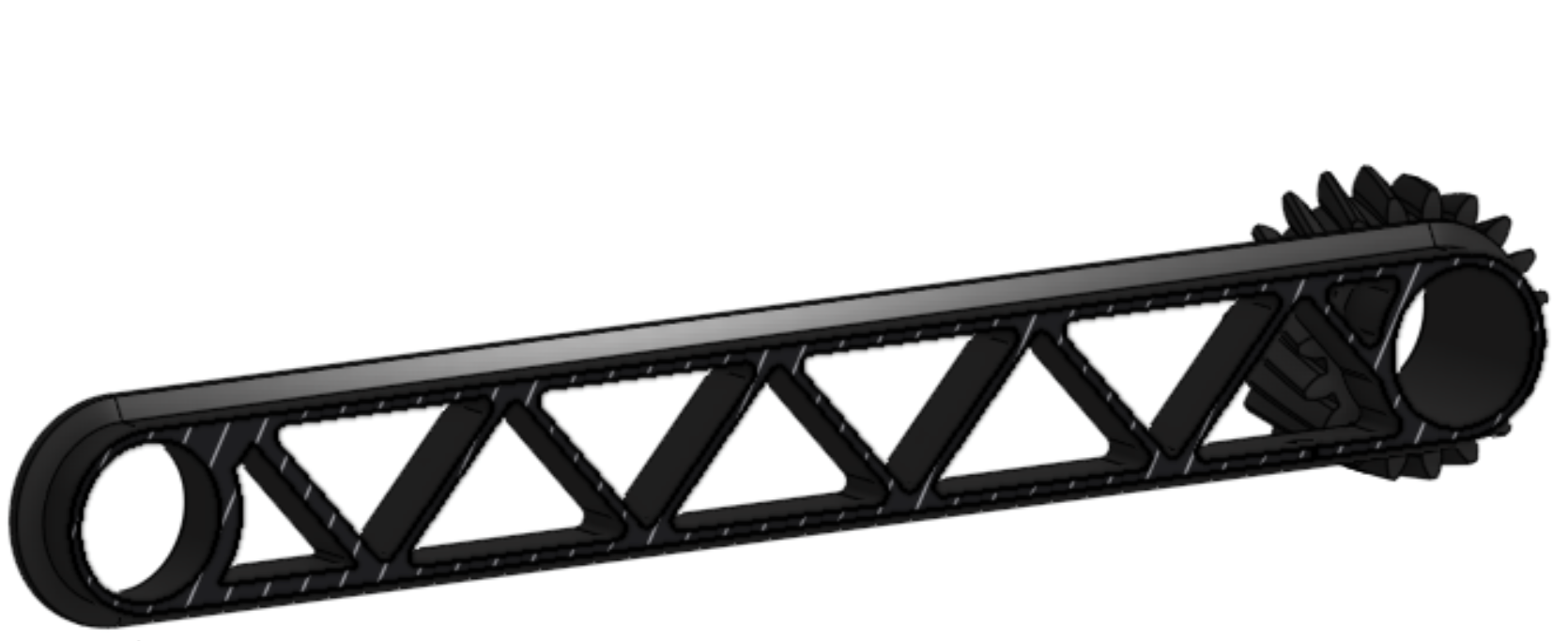
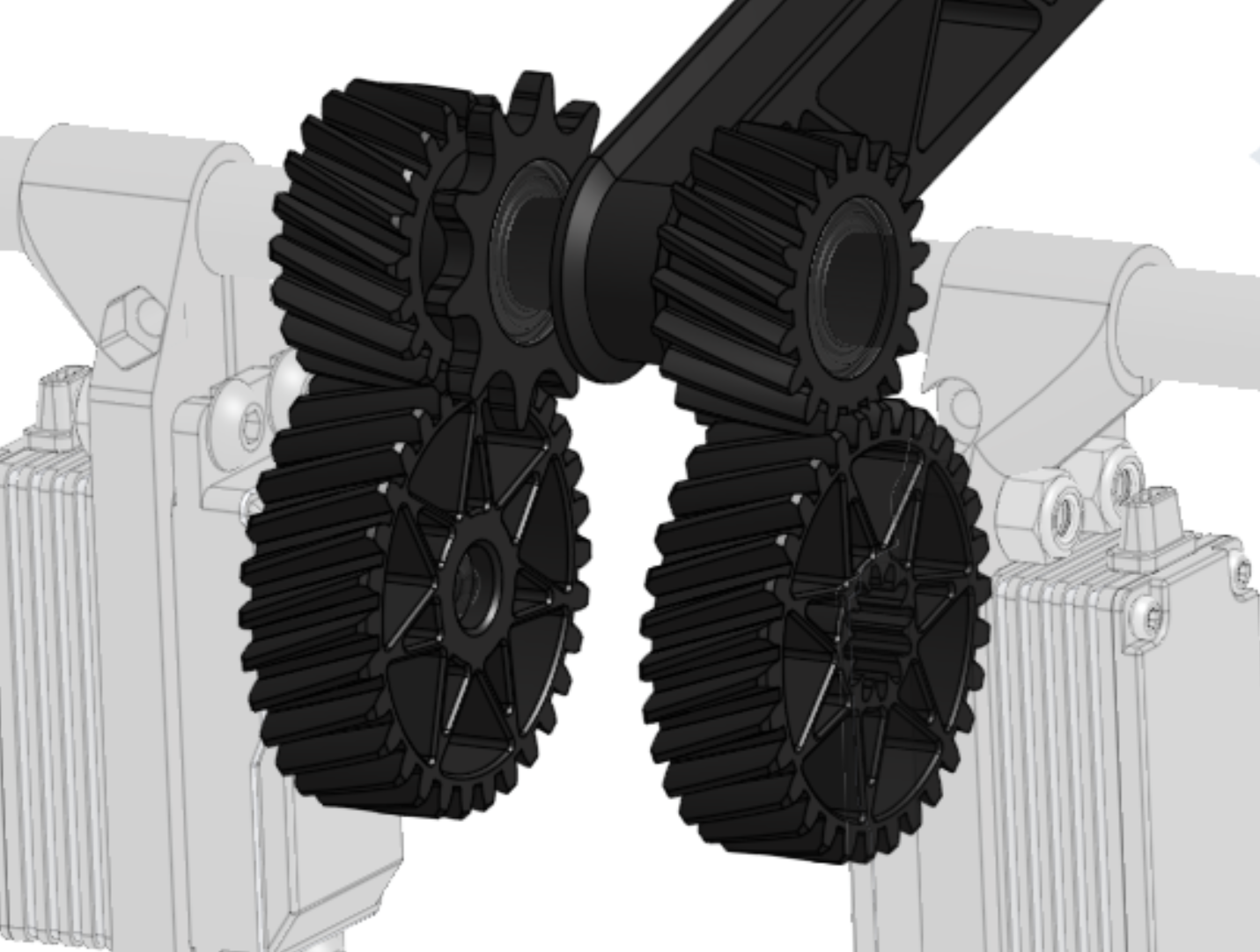
FFF printed gears were used to enable adjustable gear ratios between the servos, arm, and wrist. Helical gears were chosen to reduce backlash.
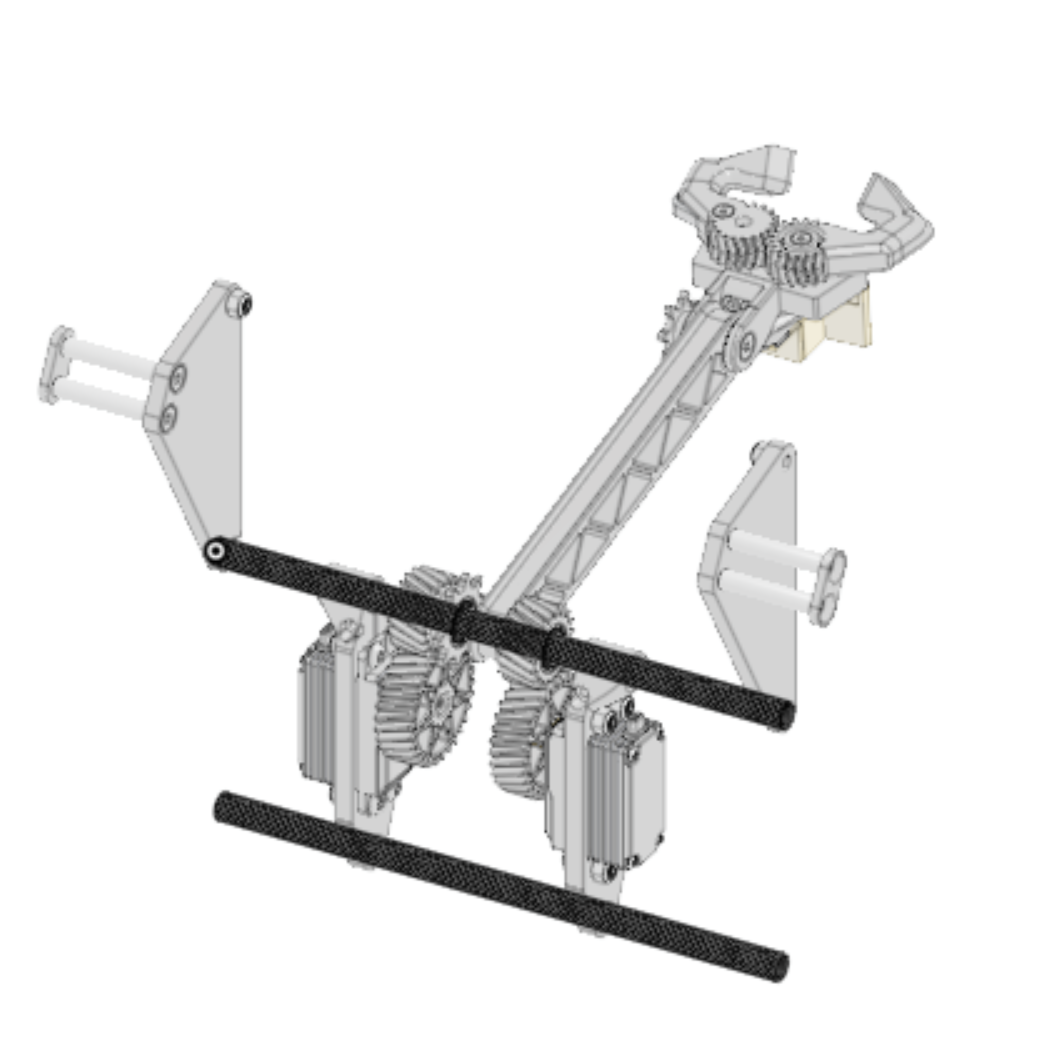
To further reduce part count and weight, carbon fiber rods were used as the main structural element of the arm system, but also served as mounts for servos and the rotation axis of the arm itself.
Due to timeline issues, the robot performed below expectations but still scored the Ohio State Record, was the second fastest robot in the state, and received an invite to the Maryland Tech Invitational tournament at JHU APL. The drivetrain proved out by this robot has now been adopted my teams around the globe, including 4 of the top 10 in the world (2026).